A blood test is often requested at a time when getting to a clinic feels difficult: a busy workweek, a child who needs supervision, an older family member with limited mobility, or a day when illness makes travel uncomfortable. A home blood test can make routine laboratory testing more accessible in these situations, but convenience should never come at the expense of test quality or appropriate medical care.
For many patients, home collection is a practical option for selected tests. The right choice depends on the test requested, how the sample must be handled, your health condition, and whether a doctor needs to assess you in person.
The term home blood test can describe two different services. One is a self-collection kit, where a person takes a finger-prick sample and sends it to a laboratory. The other is a home blood draw performed by a trained phlebotomist, who collects blood from a vein and transports it to a laboratory for analysis.
These options are not interchangeable. A finger-prick sample may be suitable for certain screening tests, depending on the laboratory and the test method. A professionally collected venous sample can support a wider range of routine laboratory investigations and generally follows the same collection standards used in a clinic.
Before arranging any home collection, ask which tests are available, whether fasting is required, when the sample will reach the laboratory, and how results will be reviewed. A reliable service should explain these details clearly rather than treating every test as suitable for home collection.
Home collection can be especially useful for patients who already have a doctor’s request for routine testing. This may include follow-up blood work for an ongoing condition, general health screening, or tests that need to be repeated at intervals.
It can also reduce unnecessary travel for older adults, people recovering from a procedure, patients with mobility limitations, and parents managing young children at home. For families, scheduling a collection at home may be easier than coordinating several appointments around school, work, and transportation.
There is also a comfort and privacy benefit. Some people feel anxious in medical settings or prefer to have a blood draw in familiar surroundings. A calm environment can make the experience easier, particularly when the collector is qualified and the appointment is not rushed.
At the same time, home testing is not automatically the best option simply because it is more convenient. If you have new symptoms, are feeling significantly unwell, or need an urgent assessment, a home sample alone may delay care that should happen in a clinic, urgent care setting, or emergency department.
Certain samples need specialized handling, rapid processing, multiple collection tubes, or close coordination with a physician. In these cases, visiting a medical center may be safer and more efficient. A clinic is also the better setting if your doctor may need to examine you, discuss symptoms, repeat a sample immediately, or arrange further tests after reviewing initial results.
Patients with difficult veins, a history of fainting during blood draws, bleeding concerns, or complex medical needs may also benefit from collection in a clinical setting. The team has equipment, trained staff, and medical support available if needed.
Timing matters as well. Some tests must be collected at a specific time of day or delivered quickly to the laboratory. Others require you to remain at the facility for repeated samples. For example, a test that involves serial blood draws or a procedure that requires observation is unlikely to be appropriate for a standard home appointment.
A good question to ask is not, “Can this be done at home?” but “Will home collection provide an accurate, properly handled sample for the test my doctor needs?”
Preparation can affect the accuracy of some results. The laboratory or your doctor should provide instructions based on the tests ordered. Do not assume that every blood test requires fasting, and do not fast unless you have been instructed to do so. Unnecessary fasting can leave some people lightheaded or uncomfortable.
If fasting is required, you may usually be asked to avoid food for a set number of hours while continuing to drink plain water. Water can make blood collection easier and helps prevent dehydration. However, follow the specific instructions you receive, especially if you have diabetes, are pregnant, take regular medication, or have been told to manage food intake carefully.
On the day of collection, choose a well-lit, comfortable area with a clean table or counter nearby. Wear clothing with sleeves that can be rolled up easily. Keep your identification, laboratory request, and any relevant insurance information ready if requested.
Tell the collector about medications, supplements, recent illness, pregnancy, bruising, a history of fainting, or if you are taking blood-thinning medication. Do not stop prescribed medication without advice from your doctor. Some medicines can influence laboratory values, but the correct response is usually to document them so results can be interpreted appropriately.
After collection, the sample should be labeled carefully and transported under the conditions required for the test. This part matters just as much as the blood draw itself. Temperature, timing, and handling can affect certain results, which is why accredited laboratory processes and trained collection staff are essential.
Results should be shared through the laboratory or medical center’s normal process. A number outside the reference range does not always mean there is a serious problem, and a result within range does not always rule out illness. Reference ranges vary by test, age, sex, pregnancy status, medication use, and the method used by the laboratory.
For this reason, results are most useful when considered alongside your symptoms, medical history, and physical examination. If a result is unexpected or concerning, your doctor may recommend repeating the test, arranging further investigations, or seeing a specialist. Avoid making major health decisions based only on a result from a self-collected kit or an online report.
When considering a home blood test, look beyond the convenience of booking. Ask whether collection is performed by a trained healthcare professional, whether the laboratory follows recognized quality procedures, and whether the requested test is appropriate for home collection.
It is also sensible to confirm the expected appointment window, fasting requirements, result turnaround time, payment options, and insurance process before the visit. If you are arranging testing for a parent, child, or someone with a chronic condition, make sure the service has the correct doctor’s request and understands any special requirements.
At Bissan Medical Centre, selected home laboratory services may be available based on the requested tests and the patient’s needs. The medical team can help clarify whether home collection is suitable or whether a clinic visit would provide better support.
Home collection can remove a real barrier to routine care, particularly when travel, mobility, or family responsibilities make clinic visits difficult. Its value comes from pairing convenience with proper preparation, trained collection, safe sample transport, and qualified interpretation of the results.
If you are considering a home blood test, begin with the test your doctor has requested and the reason it is needed. A short conversation with a medical team can help you choose the setting that protects both your comfort and the reliability of your results.
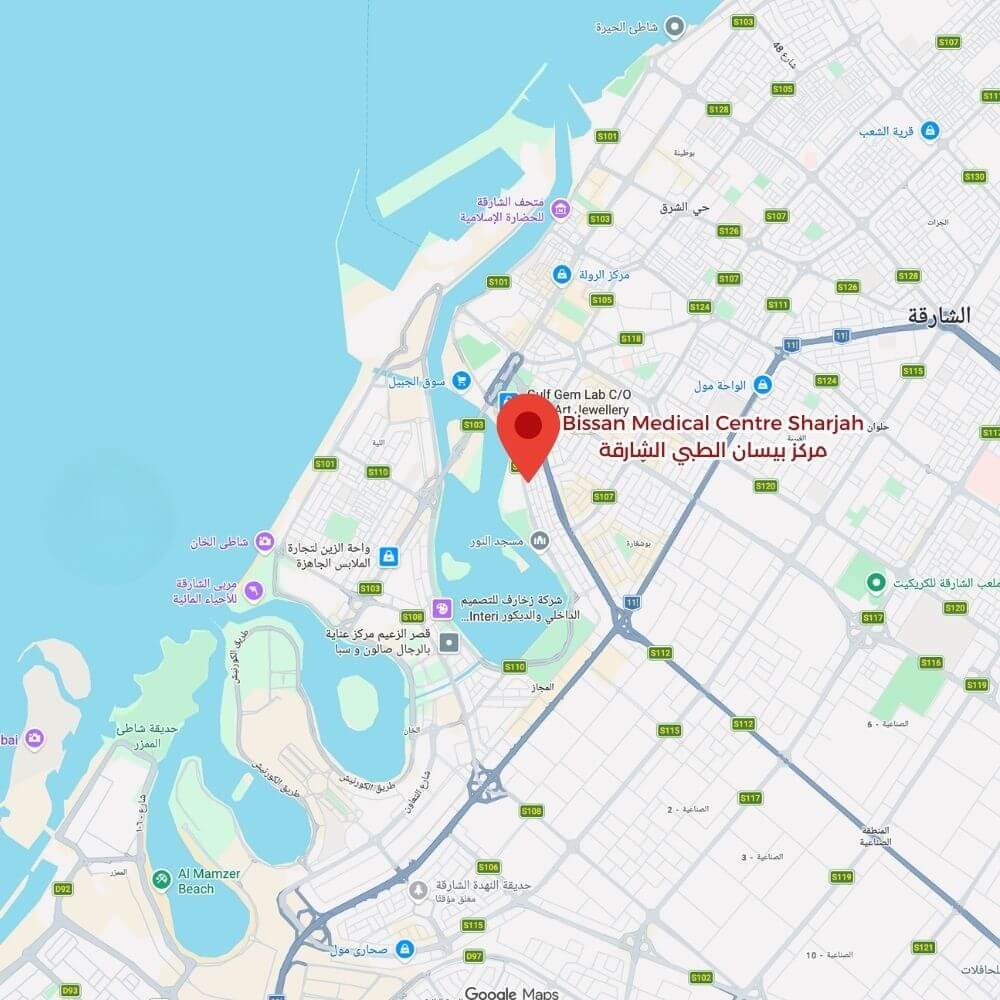
Bissan Medical Centre in Sharjah, Al Majaz 1, provides healthcare services across multiple specialties. To contact us, call +971 (6) 573 7005 | WhatsApp +971 (50) 633 7121 | Email hello@bissanmedical.com.
MOH Approval No. 6MYAJ092-250925