Searches for “dental clinic Sharjah” often begin with a practical concern: a toothache that cannot wait, a child due for a checkup, or a smile that needs more attention than a routine cleaning can provide. The decision matters because dental care is rarely just one appointment. It may involve prevention, diagnosis, treatment planning, follow-up visits, and, for families, care for several different needs over time.
A good choice is not simply the clinic closest to home. Location is helpful, especially when scheduling visits around work, school, or an unexpected dental problem, but it should be considered alongside professional qualifications, communication, hygiene standards, and the range of care available. Taking a few minutes to ask the right questions can help patients feel more informed and comfortable before treatment begins.
The best dental clinic for one person may not be the best fit for another. Someone seeking a routine cleaning may prioritize appointment availability and preventive guidance. A parent considering braces for a teenager will want access to orthodontic assessment and regular follow-up. A patient with a broken tooth may need prompt evaluation and clear advice about the available treatment options.
Start by checking whether the clinic has qualified dental professionals who provide the type of care you need. General dentistry commonly includes examinations, professional cleanings, fillings, gum care, tooth-colored restorations, and treatment planning for damaged or missing teeth. If a condition requires more focused care, access to specialists can make the process easier and more coordinated.
It is also reasonable to ask how the clinic approaches diagnosis. A responsible dental visit should begin with listening to the patient’s concerns, reviewing relevant medical history, and examining the teeth and gums. Dental X-rays or other imaging may be recommended when clinically appropriate, but the reason for each test should be explained in clear language.
Dental treatment can feel unfamiliar, particularly when more than one option is possible. For example, a damaged tooth may be suitable for a filling, crown, root canal treatment, or extraction depending on the extent of damage, the health of the surrounding tissues, and the long-term outlook. There is not always one answer that suits every patient.
A trustworthy clinic should explain what has been found, why treatment may be recommended, what could happen if care is delayed, and what the expected steps involve. Patients should also understand the likely number of appointments, aftercare requirements, and possible limitations. No dental procedure is entirely free from risk, and outcomes can vary based on oral health, healing, home care, and the complexity of the condition.
Costs should be discussed before treatment starts whenever possible. Asking for a written treatment plan can be helpful, especially for restorative work, orthodontics, or treatment that will take place over several visits. If you have insurance, ask the clinic whether it can help clarify coverage, required approvals, and any expected out-of-pocket amount. Insurance coverage can differ by plan, even for the same procedure.
Families often benefit from a clinic that can support different stages of oral health. Children need a calm, patient approach that helps them become comfortable with dental visits. Early checkups allow the dentist to monitor tooth development, identify concerns such as cavities or bite issues, and offer practical advice on brushing, diet, and preventive habits.
For adults, regular care remains important even if there is no pain. Gum disease and early tooth decay may not always cause noticeable symptoms. Routine examinations and cleanings can help identify concerns before they become more complicated or costly to manage. Patients with diabetes, pregnancy-related gum changes, dry mouth, or certain medications may need individualized dental guidance because these factors can affect oral health.
Orthodontic care is another area where timing and planning matter. Braces or clear aligner treatment may be considered for crowded teeth, gaps, bite concerns, or tooth alignment that makes cleaning more difficult. An orthodontic consultation can determine whether treatment is appropriate and discuss realistic expectations. The right option depends on the patient’s age, bite, dental health, lifestyle, and ability to attend follow-up appointments and maintain oral hygiene during treatment.
Clinical standards are an essential part of choosing a dental provider. Patients should feel comfortable asking about infection-control practices, instrument sterilization, and the use of appropriate protective measures. A clean, organized environment is reassuring, but good safety also includes careful recordkeeping, reviewing allergies and medical conditions, and giving patients clear instructions after procedures.
Comfort matters too. Some people avoid dental care because of past experiences, anxiety, fear of pain, or embarrassment about the condition of their teeth. A patient-centered dental team will not dismiss these concerns. Instead, it should explain each stage of care, encourage questions, and discuss ways to make visits more manageable.
Communication is especially valuable when treatment is urgent. Severe tooth pain, swelling, facial injury, uncontrolled bleeding, or signs of infection should be assessed promptly. If swelling is affecting breathing or swallowing, seek emergency medical care immediately. For less urgent concerns, such as sensitivity, a chipped tooth, bleeding gums, or a lost filling, contacting a dental clinic early can help determine how soon an appointment is needed.
Convenient appointment access can make it easier to maintain regular dental care. Consider the clinic’s location, hours, appointment booking process, and whether it can coordinate related health services when needed. For busy households, being able to make an inquiry by phone or WhatsApp may simplify scheduling and help clarify practical questions before a visit.
However, convenience should not be the only factor. A low initial price, for example, may not tell you whether the treatment plan is complete, whether quality materials are being used, or whether follow-up care is included. Likewise, the fastest appointment may not be the best choice if your questions are rushed or your treatment options are not fully explained. Value comes from appropriate care, transparent planning, and a team that treats your concerns with respect.
At Bissan Medical Centre, dentistry is part of a wider outpatient setting that has served Sharjah families for more than 26 years. This can be useful for patients who value access to multiple specialties in one location, while still receiving dental guidance based on their individual needs.
Before selecting a dental provider, it helps to prepare a few focused questions. Ask whether the clinic offers the service you need, whether a specialist consultation is appropriate, and what to bring to the first appointment. If you are visiting for a specific issue, mention your symptoms when booking so the team can advise on the suitable appointment type.
You may also ask how long the visit is likely to take, whether X-rays may be needed, how costs and insurance are handled, and what follow-up could involve. For parents, ask how the team helps children feel at ease. For orthodontic treatment, ask about the expected review schedule and the daily care needed to protect teeth and gums during treatment.
A dental appointment should leave you with a clearer understanding of your oral health, not more uncertainty. Choose a clinic where you feel heard, where recommendations are explained without pressure, and where the next step is practical and clear. Whether you are booking a preventive checkup or seeking help for a specific concern, timely professional advice is a positive step toward caring for your smile and your overall well-being.
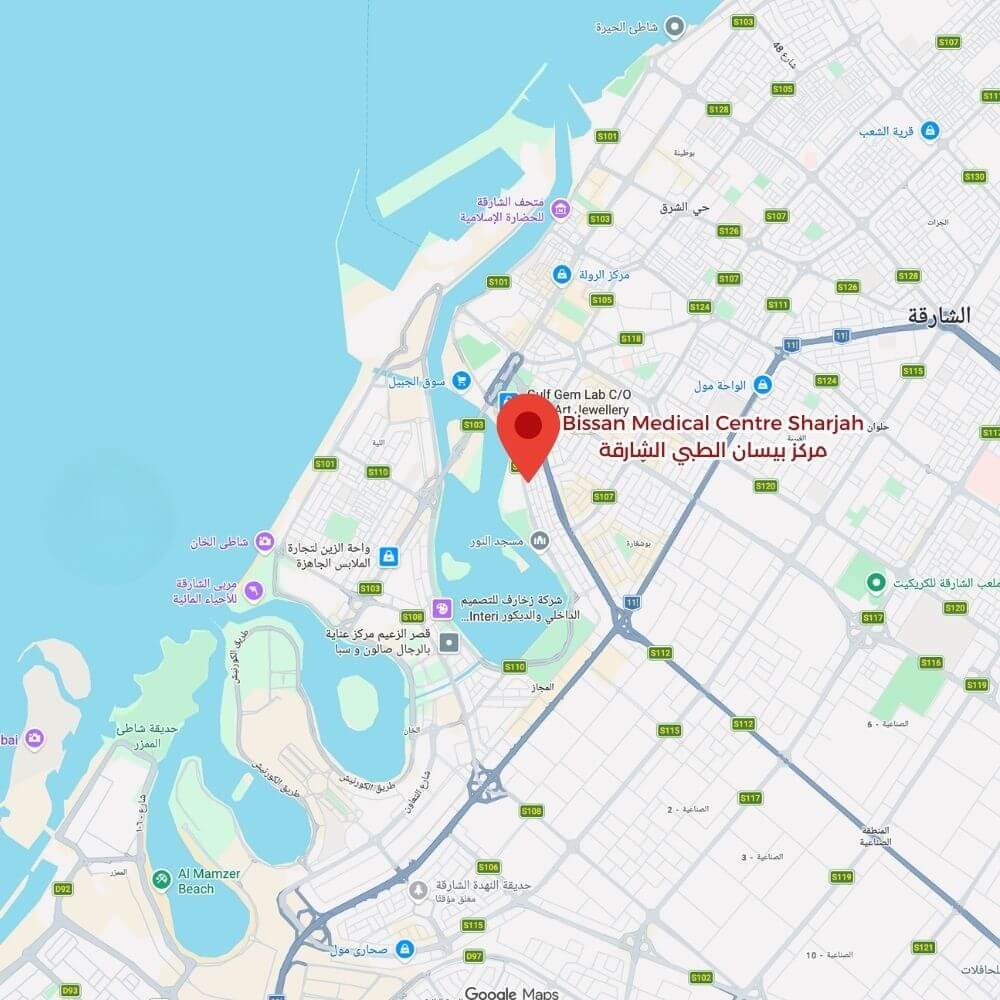
Bissan Medical Centre in Sharjah, Al Majaz 1, provides healthcare services across multiple specialties. To contact us, call +971 (6) 573 7005 | WhatsApp +971 (50) 633 7121 | Email hello@bissanmedical.com.
MOH Approval No. 6MYAJ092-250925