A single blood test can provide an early answer to a question many people ask after noticing thirst, fatigue, frequent urination, blurred vision, or unexplained weight changes: can laboratory tests detect diabetes? Yes. Properly performed laboratory blood tests are the standard way clinicians diagnose diabetes and identify prediabetes, often before symptoms become obvious.
Results should never be interpreted in isolation. Your symptoms, health history, medications, pregnancy status, and the specific test used all matter. A qualified clinician can place the numbers in context and advise whether repeat testing, lifestyle support, or treatment is appropriate.
Laboratory tests can measure how the body is handling glucose, also called blood sugar. Diabetes develops when blood glucose remains too high because the body does not make enough insulin, does not use insulin effectively, or both.
Most adults are evaluated with one of three laboratory blood tests: an A1C test, a fasting plasma glucose test, or an oral glucose tolerance test. In certain situations, a random plasma glucose test may also support a diagnosis.
A diagnosis is usually confirmed with a second test on another day. The exception is when a person has clear symptoms of high blood glucose and a markedly elevated random glucose result. This confirmation step helps avoid labeling someone with diabetes based on a temporary change related to illness, stress, or laboratory variation.
The A1C test estimates a person’s average blood glucose level over roughly the previous two to three months. It measures the percentage of hemoglobin, a protein in red blood cells, that has glucose attached to it. One practical benefit is that fasting is generally not required.
For most nonpregnant adults, an A1C of 6.5% or higher is in the diabetes range. A result from 5.7% to 6.4% is commonly considered prediabetes, while a result below 5.7% is usually in the normal range.
A1C is convenient, but it is not perfect for everyone. Anemia, recent blood loss or transfusion, some hemoglobin variants, kidney disease, and conditions that affect red blood cell lifespan can make the result less reliable. In these cases, a clinician may prefer a glucose-based test or use more than one test to clarify the picture.
A fasting plasma glucose test measures blood sugar after no food or caloric drinks for at least eight hours. Water is usually allowed. It is commonly scheduled in the morning because an overnight fast is easier for most patients.
A fasting glucose level of 126 mg/dL or higher is in the diabetes range. A result from 100 to 125 mg/dL suggests prediabetes. A fasting result below 100 mg/dL is generally considered normal.
This test reflects blood glucose at one point in time, so preparation matters. Eating before the test, acute illness, poor sleep, severe stress, and some medications can affect the result. Patients should not stop prescribed medication on their own before testing. Instead, ask the ordering clinician or laboratory team whether any specific preparation is needed.
The oral glucose tolerance test, often called an OGTT, shows how the body responds to a measured glucose drink. After an overnight fast, a blood sample is taken, the patient drinks the glucose solution, and blood glucose is checked again at set intervals. For a standard test, the two-hour result is particularly important.
A two-hour glucose level of 200 mg/dL or higher is in the diabetes range. A result from 140 to 199 mg/dL can indicate prediabetes. This test can identify glucose problems that a fasting test may miss, but it takes more time and requires careful preparation. It may be especially useful when other results are unclear.
A random plasma glucose test can be done at any time of day, regardless of when a person last ate. A result of 200 mg/dL or higher may indicate diabetes when it occurs alongside classic symptoms of high blood glucose, such as frequent urination, increased thirst, unexplained weight loss, or blurred vision.
Because meals can raise glucose temporarily, a random result alone is not always enough to diagnose diabetes in someone without symptoms. Follow-up testing is often needed.
Prediabetes means blood glucose is higher than normal but not yet in the diabetes range. It is a meaningful opportunity for early action, not a reason for panic. Many people with prediabetes feel completely well, which is why screening can be valuable.
A clinician may recommend nutrition changes, regular physical activity, weight management when appropriate, better sleep, and follow-up testing. The right plan depends on the person’s age, family history, weight, blood pressure, cholesterol levels, and other health factors. Some people may also benefit from medication, but that decision should be individualized.
Urine glucose tests and home finger-stick glucose meters can provide useful information, but they are not usually used by themselves to make a formal diagnosis. Urine glucose may be absent even when blood sugar is elevated, and it can be present for reasons other than diabetes. Home meters are helpful for monitoring in people already diagnosed, but results can vary with technique, meter quality, and other factors.
Laboratory testing uses standardized methods and provides the accuracy needed for diagnosis. If a home reading is unexpectedly high or low, it is sensible to arrange a clinical review rather than relying on one result.
Testing may be recommended if you have symptoms of elevated blood glucose. It can also be appropriate if you have a family history of diabetes, high blood pressure, abnormal cholesterol, overweight or obesity, polycystic ovary syndrome, a history of gestational diabetes, or low physical activity.
Routine screening is also often advised as adults get older, even without symptoms. The best timing depends on individual risk. People who have had borderline results may need repeat testing more often than those with normal results and few risk factors.
Pregnancy requires a separate approach. Screening for gestational diabetes uses specific timing and testing methods because blood sugar changes during pregnancy can affect both parent and baby. Anyone who is pregnant or planning pregnancy should discuss the appropriate test with their obstetric care team.
Preparation depends on the test. An A1C test generally does not require fasting. For fasting glucose and most glucose tolerance tests, follow the fasting instructions exactly, including how long to avoid food and caloric drinks.
Before your appointment, tell the clinician about prescription medicines, over-the-counter products, supplements, recent illness, and pregnancy. Do not try to change your diet dramatically in the days before testing to influence the result. The goal is an accurate view of your usual health.
If your test result is in the diabetes range, try not to assume the worst before speaking with a clinician. Some results need confirmation, and diabetes care is highly individualized. The next step may involve repeat testing, additional tests to understand the type of diabetes, and a conversation about a manageable care plan.
At Bissan Medical Centre, laboratory testing can be part of a coordinated, patient-focused discussion about your health. Bringing previous test results, a list of medications, and details about symptoms can help the clinician give clearer guidance.
If you have symptoms of very high blood sugar, such as vomiting, confusion, deep or rapid breathing, severe weakness, or dehydration, seek urgent medical care. For less urgent concerns, arranging a laboratory test and follow-up consultation is a practical first step. Clear results are most useful when they lead to an informed conversation, a plan you can follow, and support that respects your individual needs.
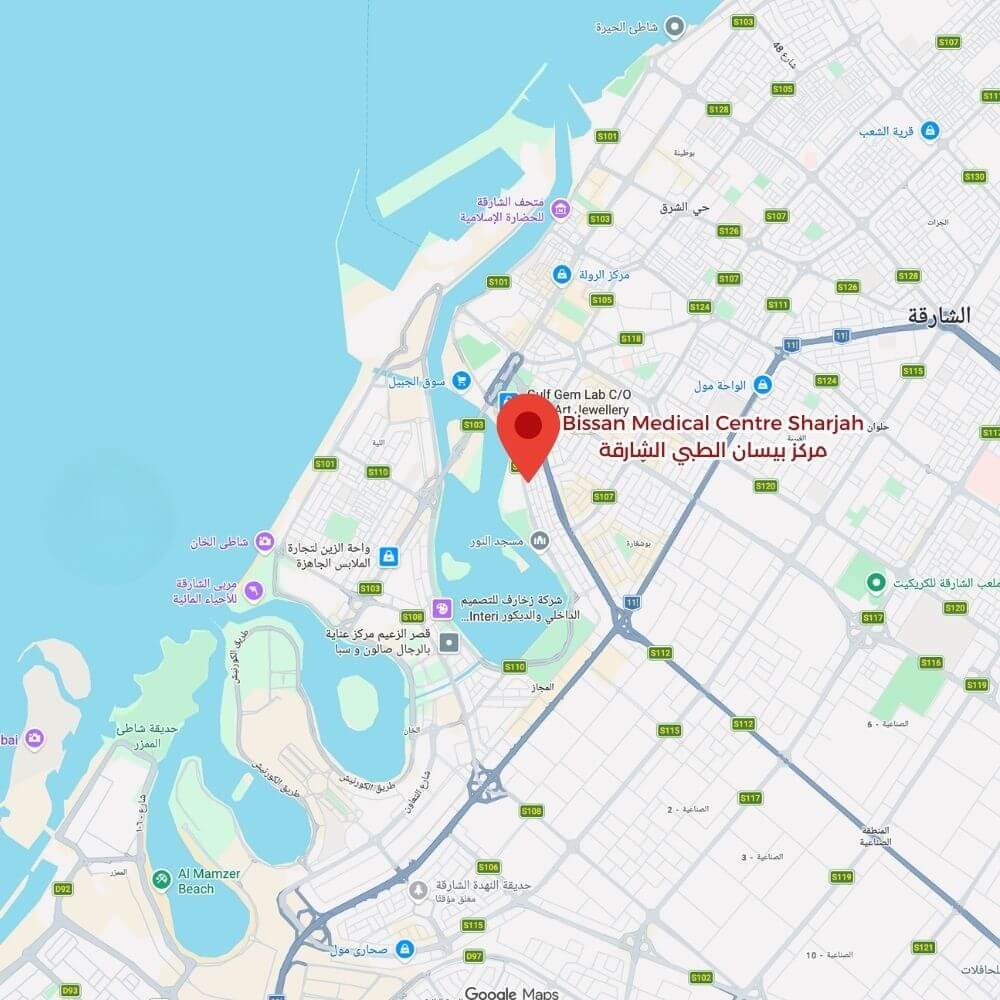
Bissan Medical Centre in Sharjah, Al Majaz 1, provides healthcare services across multiple specialties. To contact us, call +971 (6) 573 7005 | WhatsApp +971 (50) 633 7121 | Email hello@bissanmedical.com.
MOH Approval No. 6MYAJ092-250925