Persistent breakouts can leave more than visible pimples. They may cause lingering dark marks, rough texture, and frustration when a consistent skin care routine does not seem to be enough. A chemical peel for acne is one dermatologist-led option that may help improve active acne and some of its after-effects, but the best peel, strength, and timing depend on your skin and the type of acne you have.
A chemical peel is not a one-size-fits-all facial treatment. When selected carefully, it can support an acne treatment plan. When chosen without proper assessment, however, it may irritate the skin, worsen inflammation, or contribute to post-inflammatory discoloration. A dermatology consultation helps make the difference.
A chemical peel uses a controlled topical solution to exfoliate the skin at a chosen depth. As older surface cells shed, pores may become less congested and the skin can appear smoother and more even over time. Depending on the peel used, treatment may focus mainly on the outermost layer of skin or reach more deeply.
For acne-prone skin, dermatologists commonly consider superficial peels because they offer exfoliation with less downtime than deeper peels. These treatments can be useful for blackheads, whiteheads, uneven texture, and residual discoloration after acne. They are usually performed as a course of treatments rather than a single session.
A peel does not remove the underlying causes of acne, such as hormonal changes, excess oil production, bacteria, inflammation, or certain medications. That is why many patients benefit most when a peel is combined with an individualized medical skin care plan.
Acne often develops when pores become blocked with oil, dead skin cells, and debris. Certain peels help loosen the buildup at the surface of the skin and within the pore lining. This can reduce congestion and encourage a more regular pattern of exfoliation.
Salicylic acid is a beta hydroxy acid that is oil-soluble, meaning it can work within oily pores. It is often considered for blackheads, whiteheads, and mild inflammatory acne. Glycolic acid and lactic acid are alpha hydroxy acids that work mainly at the skin’s surface and may help with texture, dullness, and dark marks left after breakouts.
Some dermatologists may also use other peel formulations based on a patient’s oiliness, sensitivity, skin tone, active acne, and history of pigmentation. The goal is not to use the strongest option. It is to use a suitable treatment that the skin can tolerate safely.
A chemical peel may be helpful for mild acne and for post-inflammatory hyperpigmentation, the flat brown, gray, red, or purple marks that can remain after a pimple heals. These marks are not the same as true acne scars.
Indented scars, such as boxcar or rolling scars, usually need different approaches, which may include microneedling, scar-focused procedures, or combination treatment plans. Raised scars and active cystic acne also require careful specialist evaluation. Treating active inflammation first is often the priority.
A chemical peel may be considered for adults or teens with mild to moderate comedonal acne, oily skin, frequent clogged pores, uneven texture, or acne-related discoloration. It can also be an option for people who want professional support alongside topical acne treatments.
Suitability depends on more than the appearance of the skin on the day of treatment. Your dermatologist will ask about current medications, allergies, pregnancy or breastfeeding, previous reactions to skin treatments, and whether you tend to develop dark spots or scars after inflammation. People with darker skin tones can certainly receive peels, but formulation and technique need extra care to reduce the chance of pigmentation changes.
A peel may need to be delayed if you have a skin infection, open wounds, severely irritated skin, a recent sunburn, or a current flare of eczema or another inflammatory skin condition. Patients taking or recently taking certain acne medications may also need a different plan.
Before a peel, the skin is cleansed and assessed. The dermatologist or trained clinical provider applies the selected solution for a controlled period, then neutralizes or removes it when appropriate. You may feel mild tingling, warmth, or temporary stinging during the procedure.
A superficial treatment is generally brief. Afterward, the skin may look slightly red or feel tight, similar to mild sun exposure. Peeling may be minimal or may occur gradually over several days. Visible flaking does not determine whether a treatment worked, and trying to make skin peel more heavily can lead to irritation.
The number of sessions varies. Some patients notice a fresher appearance after one treatment, while acne control and discoloration often require a series of sessions spaced several weeks apart. Your dermatologist will adjust the schedule based on how your skin responds.
The recovery period is part of the treatment, not an afterthought. Freshly treated skin is more sensitive, so gentle care helps protect the skin barrier and reduce avoidable irritation.
For the first few days, use a mild cleanser, a simple moisturizer, and broad-spectrum sunscreen as directed. Avoid scrubs, exfoliating brushes, retinoids, acne acids, waxing, and other potentially irritating products until your provider says it is safe to restart them. Do not pick at flakes or peeling skin, even if they are tempting to remove.
Sun protection is especially relevant for acne-prone skin because sun exposure can make post-acne marks darker and longer-lasting. Daily sunscreen also supports more even results from treatment. If you experience significant swelling, blistering, increasing pain, or signs of infection, contact your medical provider promptly.
Even a superficial peel can cause temporary redness, dryness, burning, or peeling. Less commonly, patients may develop persistent irritation, acne flare-ups, cold sore reactivation in those with a history of oral herpes, infection, scarring, or changes in skin color.
The risk of unwanted pigmentation is higher when a peel is too strong for the patient’s skin, when aftercare is not followed, or when the skin is exposed to sunlight without protection. This is one reason professional assessment matters, particularly for patients with melanin-rich skin or a history of dark marks after acne.
Chemical peels also have limits. They cannot guarantee clear skin, permanently stop hormonal acne, or erase deeper scars in one visit. Realistic treatment plans may include prescription creams, oral medication when needed, acne extraction, lifestyle guidance, and procedures selected for specific concerns.
At-home exfoliating products may contain acids, but they are not equivalent to a medically selected peel. Layering multiple acid products, using a strong peel too frequently, or combining acids with retinoids without guidance can damage the skin barrier. This often creates a cycle of redness, sensitivity, and more noticeable breakouts.
A dermatologist can identify whether your bumps are acne, folliculitis, rosacea, contact dermatitis, or another condition that needs a different approach. They can also determine whether a peel is appropriate now or whether controlling inflammation first will give you safer, better-tolerated results.
At Bissan Medical Centre, dermatology care is designed around that individual assessment, with treatment recommendations based on the patient’s skin concerns, medical history, and goals rather than a standard cosmetic package.
Ask which type of peel is being recommended and why it suits your acne pattern and skin tone. It is also reasonable to ask about expected downtime, the number of sessions that may be needed, which products to stop beforehand, and when you can return to your regular acne routine.
Be open about all skin care products and medications you use, including retinoids, benzoyl peroxide, antibiotics, supplements, and any recent isotretinoin treatment. Clear information allows your provider to reduce unnecessary risks and prepare your skin properly.
The most helpful next step is a dermatology consultation that looks beyond the immediate breakout. With a thoughtful plan, a chemical peel may become a useful part of caring for acne-prone skin while keeping comfort, safety, and long-term skin health at the center of treatment.
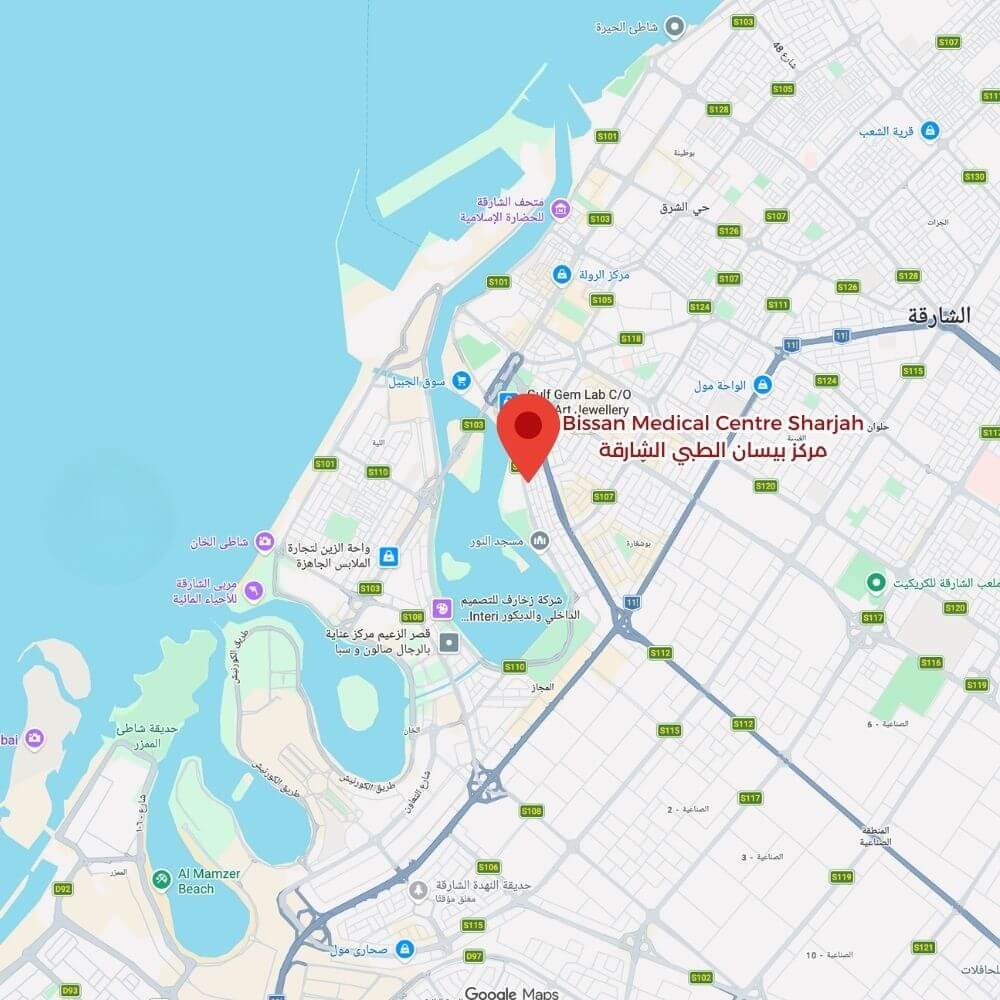
Bissan Medical Centre in Sharjah, Al Majaz 1, provides healthcare services across multiple specialties. To contact us, call +971 (6) 573 7005 | WhatsApp +971 (50) 633 7121 | Email hello@bissanmedical.com.
MOH Approval No. 6MYAJ092-250925