A treatment that helped a friend fade acne scars may not be the right answer for redness, melasma, or sun spots. Skin laser treatment is not one single procedure. It is a group of technologies, each designed to target particular concerns at different depths of the skin. The safest starting point is a dermatology assessment that considers your skin type, medical history, goals, and the amount of downtime you can realistically manage.
Lasers use focused light energy to target a specific component of the skin, such as pigment, blood vessels, water, or hair follicles. Depending on the device and settings used, treatment may support improvement in uneven tone, sun-related spots, acne scars, fine lines, enlarged pores, redness, unwanted hair, and certain benign pigmented lesions.
The word “improvement” matters. A laser can often reduce the appearance of a concern, but it may not remove it completely or permanently. Acne scarring, for example, commonly requires a treatment plan that may include several sessions and, in some cases, other procedures. Pigment concerns can also return with sun exposure, hormonal changes, or ongoing inflammation.
A dermatologist should first confirm what is causing the concern. Brown patches that look similar can have very different causes. Treating melasma like an isolated sun spot, for instance, may worsen pigmentation in some patients if the laser choice or settings are not appropriate.
Laser devices vary in wavelength, intensity, and how they deliver energy. Your doctor may discuss ablative, non-ablative, fractional, vascular, or pigment-targeting options. The names can sound technical, but the practical differences are usually about the skin concern being treated, expected results, and recovery time.
Ablative lasers remove very small, controlled areas of the outer skin layer. They can be useful for more noticeable texture changes, wrinkles, and some scars, but they generally involve greater redness, peeling, and recovery time. Careful aftercare is essential while the skin heals.
Non-ablative lasers heat tissue beneath the skin surface without removing the outer layer in the same way. Recovery may be easier, but changes can be more gradual and multiple sessions may be recommended. Neither option is automatically better. The appropriate approach depends on the condition being treated and the balance you prefer between downtime and potential improvement.
Fractional technology treats the skin in tiny columns rather than treating the entire surface at once. This leaves surrounding tissue intact to support healing. Fractional treatments may be used for acne scars, texture, pores, and signs of sun damage, but the exact device and setting matter greatly.
Some lasers are designed to target blood vessels and may help reduce visible redness or small facial vessels. Others target pigment and may be considered for selected sun spots or other pigmented concerns. These treatments require particular care in deeper skin tones, as excessive heat or incorrect settings can lead to post-inflammatory hyperpigmentation or, less commonly, lightened areas of skin.
A good laser plan begins with more than choosing a device. Your dermatologist will ask about previous procedures, medications, allergies, cold sore history, pregnancy or breastfeeding status, active acne or infection, and tendencies toward raised scars or pigmentation after irritation.
Skin tone is an especially important consideration. All skin tones can be treated, but darker skin may have a higher risk of pigment changes after heat-based procedures. This does not mean laser treatment is unsuitable. It means the device, treatment intensity, preparation, and aftercare should be chosen carefully by an experienced clinician.
Your doctor should also set realistic expectations. A single session may be sufficient for some minor concerns, while scars, hair reduction, and more extensive texture changes often require a series of treatments spaced over time. Ask what result is reasonable, when it may become visible, and whether maintenance treatment could be needed.
Preparation instructions vary by procedure, so follow the plan provided by your treating doctor. In general, protecting the skin from sun exposure before treatment is important. Tanned or recently sunburned skin can raise the risk of unwanted pigment changes.
Your clinician may advise pausing certain skin-care products, including retinoids, exfoliating acids, or products that cause dryness and irritation. Do not stop prescription medication on your own. Instead, bring a full list of medicines, supplements, and topical products to your appointment so your doctor can advise you safely.
If you have a history of cold sores around the mouth, mention it before facial laser procedures. In some situations, preventive antiviral medication may be considered. It is also wise to attend with clean skin and avoid applying makeup, perfume, or active skin-care products unless your clinic tells you otherwise.
The experience depends on the area and type of laser. The skin is usually cleansed, and protective eyewear is required. A topical numbing cream may be used for certain procedures. During treatment, many patients describe a brief warmth, prickling sensation, or the feeling of a small elastic band snapping against the skin.
A short treatment may take only minutes, while larger areas or more detailed scar treatment can take longer. Afterward, the skin may look pink or red and feel warm. With some procedures, mild swelling, temporary darkening of treated spots, flaking, or peeling is expected as the skin recovers.
Before you leave, ask for written aftercare guidance. Clear instructions are particularly helpful because aftercare affects both comfort and outcome.
Recovery ranges from little to no downtime to several days of visible redness and peeling. More intensive resurfacing procedures can require longer healing. Do not schedule a laser session immediately before an important event unless your doctor has explained the expected recovery period for your specific treatment.
Gentle cleansing, a simple moisturizer, and consistent broad-spectrum sunscreen are commonly part of aftercare. Avoid picking, scrubbing, waxing, or using harsh exfoliants on healing skin. Hot environments, intense exercise, and direct sun exposure may also need to be limited for a period recommended by your clinician.
Contact your treating clinic if you develop increasing pain, marked swelling, blisters, pus, fever, or a reaction that concerns you. These symptoms do not always mean there is a serious problem, but they deserve timely medical advice rather than home treatment or guesswork.
It is reasonable to ask which device is being recommended and why it suits your concern. You can also ask who will perform the treatment, how many sessions are likely, what downtime to expect, and what side effects are most relevant to your skin type.
Discuss cost and the full plan rather than focusing only on the price of one session. A lower-cost treatment may not be the better value if it does not address the underlying concern or if it is performed without an appropriate assessment. For patients in Sharjah, Bissan Medical Centre can arrange a dermatology consultation to discuss suitable options and practical next steps.
Laser treatment is one option, not a universal solution. Active acne may need medical treatment before scar-focused procedures. Rosacea, eczema, fungal infections, and persistent pigmentation may require diagnosis and treatment first. Some concerns respond better to topical medications, chemical peels, microneedling, injectable treatments, or a combined approach.
A thoughtful recommendation sometimes means waiting, treating inflammation first, or choosing a less intensive procedure. That is not a setback. It is a way to protect the skin and give any aesthetic treatment a better foundation.
The most reassuring laser plan is one that feels clear rather than rushed: you understand what is being treated, what recovery will involve, and what results are realistically possible. A consultation with a qualified dermatologist gives you the space to make that decision with confidence.
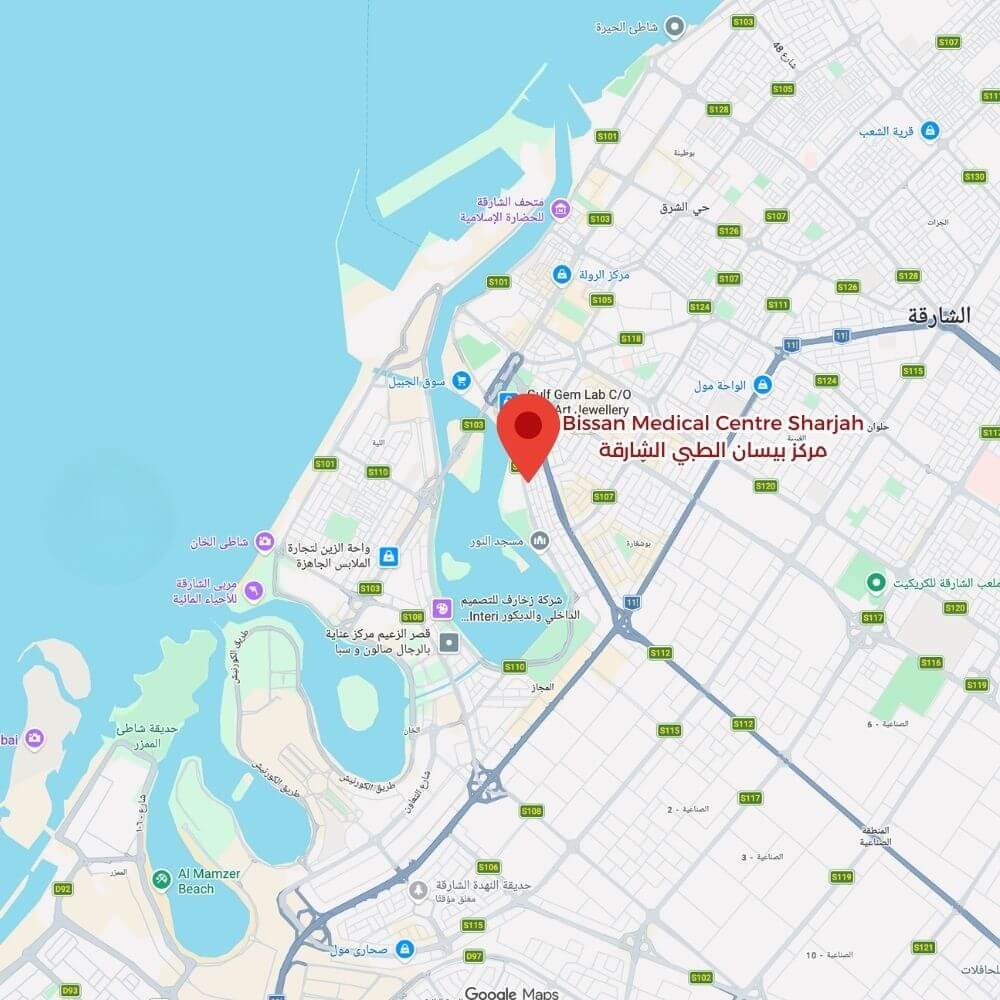
Bissan Medical Centre in Sharjah, Al Majaz 1, provides healthcare services across multiple specialties. To contact us, call +971 (6) 573 7005 | WhatsApp +971 (50) 633 7121 | Email hello@bissanmedical.com.
MOH Approval No. 6MYAJ092-250925